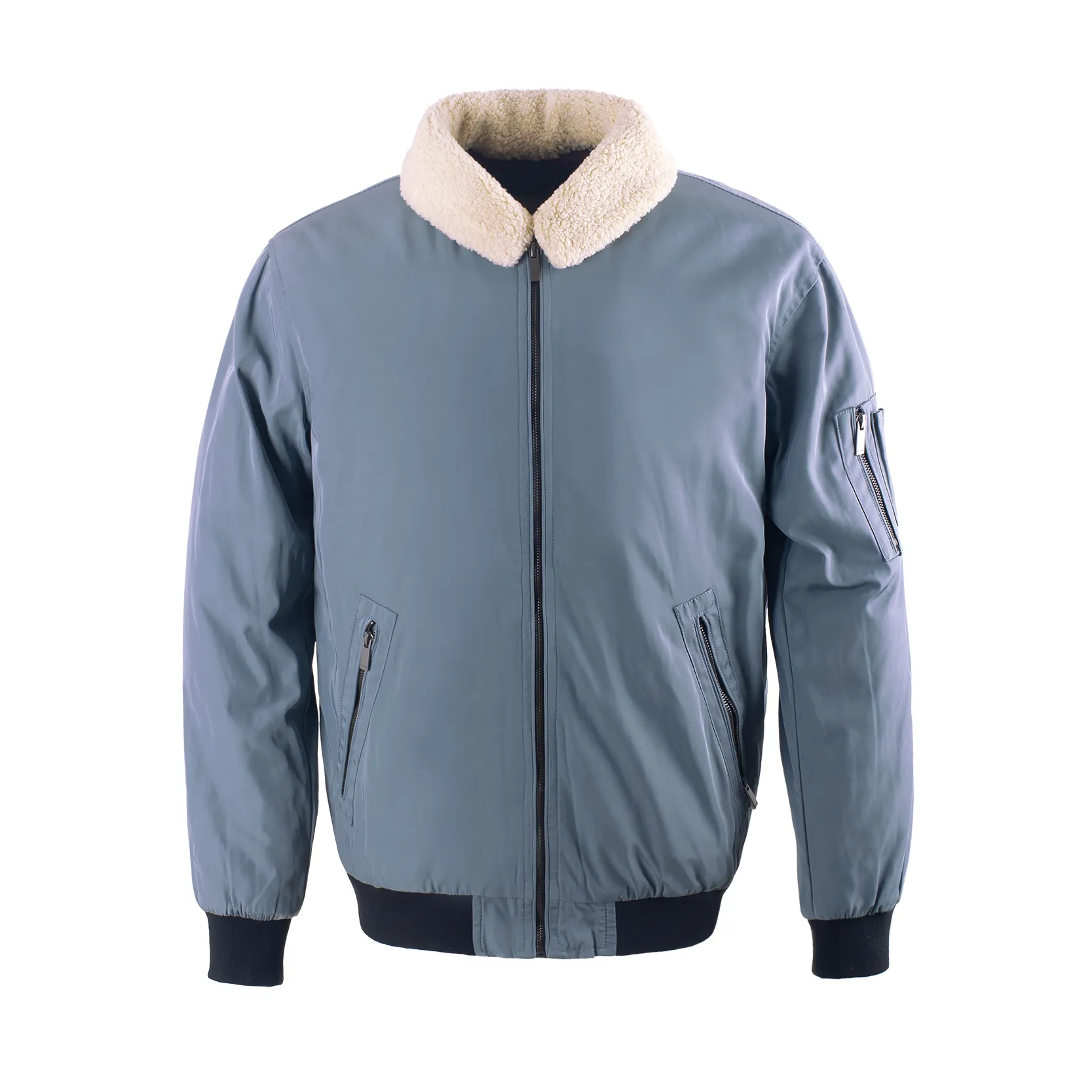
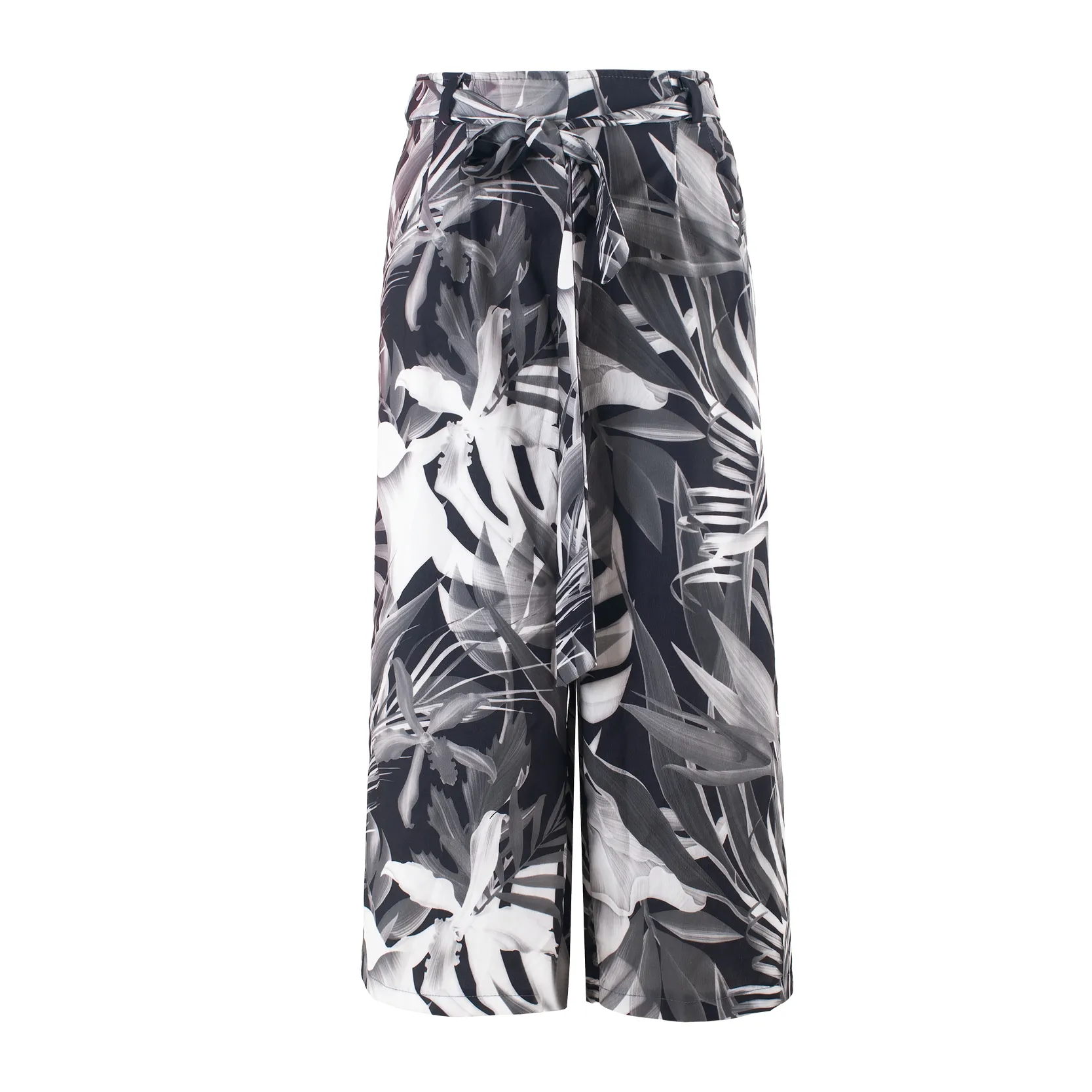
womens outdoor clothing companies
outdoor garment

insulated pants for women

Navigating the Market for Women's Padded Jackets : Trends and Innovations The global market for padded outerwear, particularly Women's Padded Jackets , continues to experience robust growth, driven by increasing demand for both functional and fashionable cold-weather apparel. Industry reports indicate a compound annual growth rate (CAGR) of approximately 6.5% for the insulated apparel segment from 2023 to 2030, reaching an estimated market value of over $25 billion by the end of the decade. Key trends shaping this sector include a strong emphasis on sustainable materials, advanced insulation technologies, and multi-functional designs that cater to diverse application scenarios from urban commuting to extreme outdoor adventures. Consumers, especially in the B2B sector such as corporate gifting or uniform procurement, are increasingly looking for products that combine superior thermal performance with environmental responsibility and corporate branding opportunities. This necessitates a deep understanding of manufacturing processes, material science, and customization capabilities to meet evolving client expectations. Emerging innovations in insulation, such as graphene-infused fabrics and bio-based polymers, are pushing the boundaries of warmth-to-weight ratios and compressibility. Furthermore, smart textile integration, offering features like active heating elements or integrated sensors, is transitioning from niche to mainstream, though still primarily in high-end specialized garments. The shift towards recycled polyester, certified down (Responsible Down Standard - RDS), and synthetic alternatives derived from renewable sources reflects a broader industry commitment to reducing environmental impact. Manufacturers who can demonstrably integrate these eco-friendly practices without compromising on performance or cost-effectiveness are gaining significant competitive advantages, appealing to a market segment increasingly valuing ethical and sustainable sourcing. This dynamic landscape demands that procurement professionals and businesses prioritize suppliers capable of delivering cutting-edge, compliant, and customizable solutions. Technical Specifications and Material Science The performance of Women's Padded Jackets is fundamentally determined by their material composition and construction. Shell fabrics commonly include nylon or polyester with Durable Water Repellent (DWR) finishes, offering water resistance typically ranging from 5,000mm to 20,000mm hydrostatic head, and breathability often measured by Moisture Vapor Transmission Rate (MVTR) at 5,000 to 15,000 g/m²/24hr. Insulation types vary widely: natural down (e.g., 80/20 duck down with 650-800 fill power, indicating loft and warmth-to-weight ratio), and synthetic insulations like PrimaLoft or Thinsulate. Synthetic options, composed of fine polyester fibers, excel in wet conditions and offer consistent warmth, often measured in grams per square meter (GSM), commonly ranging from 80 GSM to 200 GSM for mid-weight to heavy-weight jackets. Lining materials typically involve soft, breathable polyester or nylon for comfort. Crucial technical parameters for Women's Padded Jackets extend beyond material composition. The CLO value, a measure of thermal insulation, is critical for understanding a jacket's warmth, with higher CLO values indicating greater warmth. For instance, a jacket with a CLO value of 2.0 can maintain comfort at 0°C (32°F) under moderate activity. Durability is assessed through tensile strength (ASTM D5034) and abrasion resistance (Martindale test, typically requiring 10,000+ cycles for outerwear). Seam construction, such as heat-sealed or taped seams, enhances water resistance and overall garment integrity. For manufacturers and B2B buyers, understanding these specifications is paramount to selecting jackets that meet specific performance requirements for their end-users, ensuring optimal comfort, protection, and longevity in varying environmental conditions. Figure 1: Advanced Insulation Technologies for Women's Padded Jackets Key Performance Parameters for Padded Jackets Parameter Description Typical Range / Value Relevant Standard Fill Power (FP) Measure of down's loft and warmth-to-weight ratio. Higher is better. 650-800 FP (High Quality) IDFB (International Down and Feather Bureau) Insulation Weight (GSM) Grams per square meter of synthetic insulation. 80-200 GSM ISO 11092 (Thermal Resistance) Water Resistance (mm) Hydrostatic Head test, maximum water pressure fabric can withstand. 5,000mm - 20,000mm ISO 811 Breathability (MVTR) Moisture Vapor Transmission Rate, how much vapor passes through. 5,000 - 15,000 g/m²/24hr ASTM E96 Abrasion Resistance Fabric's ability to withstand surface wear. 10,000+ Martindale Cycles ISO 12947-2 Weight Overall garment weight, impacting portability. 300g - 800g (light to heavy) N/A The Manufacturing Process: From Concept to Comfort The production of high-quality Women's Padded Jackets is a sophisticated, multi-stage process requiring precision engineering and adherence to strict quality control. It begins with comprehensive design and pattern making, often utilizing Computer-Aided Design (CAD) software to optimize fit, aesthetics, and material utilization. Following design approval, automated fabric cutting systems (e.g., CNC cutters) precisely cut the shell fabric, lining, and insulation layers according to the digital patterns, minimizing waste and ensuring consistency. This stage is critical for achieving the correct sizing and seam alignment for subsequent assembly. The next crucial step involves insulation filling. For down-filled jackets, specialized down-filling machines accurately inject the down into pre-sewn baffles to ensure even distribution and prevent cold spots. For synthetic insulation, pre-cut insulation sheets are carefully layered. This is followed by the intricate sewing and quilting process, where the outer shell, insulation, and lining are stitched together. Advanced industrial sewing machines are used to create durable seams and often complex quilting patterns that hold the insulation in place while contributing to the jacket's aesthetic. After primary assembly, components such as zippers, cuffs, hoods, and pockets are integrated. Each stage undergoes rigorous quality control checks, including material inspections (e.g., fabric weight, colorfastness), in-process dimensional checks, and final product performance testing (e.g., water repellency, seam strength). Adherence to international standards like ISO 9001 for quality management systems and OEKO-TEX 100 for textile safety is paramount, ensuring product reliability and compliance for the B2B sector. The typical service life of a well-maintained, high-quality padded jacket, dependent on usage intensity, can range from 5 to 10 years, offering excellent return on investment for bulk purchasers. Figure 2: Quality Assurance and Inspection for Women's Padded Jackets Diverse Applications and Key Advantages Women's Padded Jackets are versatile garments finding extensive application across numerous industries and scenarios. In the outdoor recreation sector, they are indispensable for hiking, camping, and mountaineering, where their lightweight warmth and compressibility are critical. For logistics and cold chain industries, durable and insulating jackets provide essential protection for workers in refrigerated warehouses or during outdoor deliveries in harsh weather, improving worker comfort and productivity. Construction and engineering firms often procure these jackets as part of standard safety gear, offering warmth without impeding mobility. Furthermore, corporate entities frequently utilize custom-branded padded jackets for employee uniforms, promotional merchandise, or corporate gifting, enhancing brand visibility and fostering team cohesion, especially for roles involving field work or travel. The technical advantages of modern Women's Padded Jackets are significant. They offer superior thermal insulation with minimal bulk, allowing for greater freedom of movement compared to traditional heavy coats. Many designs feature advanced moisture-wicking properties and breathability, preventing overheating during activity while still maintaining warmth. Their inherent durability, particularly those with ripstop shell fabrics and robust stitching, makes them suitable for rigorous use. Moreover, the ease of maintenance and resistance to compression set (especially for synthetic insulation) contribute to their long-term performance and appeal for bulk purchasers. For example, a major logistics company reported a 15% reduction in cold-related employee sick days after outfitting their cold-storage staff with high-performance padded jackets, demonstrating clear operational benefits. Choosing the Right Partner: Manufacturer Comparison and Customization When sourcing Women's Padded Jackets in bulk, selecting the right manufacturing partner is paramount. Key differentiators among manufacturers include their experience in technical outerwear, range of certifications (e.g., ISO 9001, OEKO-TEX, RDS, WRAP), research and development capabilities for new materials and designs, and crucially, their flexibility in offering customization solutions. Reputable manufacturers will provide transparent access to their testing data and supply chain certifications, fostering trust and ensuring product compliance. A direct comparison of capabilities might highlight distinct advantages: Feature/Capability Tier 1 Manufacturer (e.g., JIDE Garment) Standard Manufacturer R&D & Innovation In-house design team, advanced material sourcing, continuous innovation in insulation/fabric tech. Primarily follows established designs, limited material innovation. Quality Certifications ISO 9001, OEKO-TEX 100, RDS, BSCI/WRAP audits, rigorous internal QA. Basic QC, may lack comprehensive international certifications. Customization Scope Full OEM/ODM, extensive material/color options, bespoke design, branding (embroidery/print), size runs. Limited customization, primarily logo application, standard models. Production Capacity High volume capabilities (e.g., 50,000+ units/month), efficient scaling. Moderate volume, may struggle with large or urgent orders. Client Support Dedicated account managers, post-sales support, flexible MOQ for prototypes. Standard support, less flexible on custom requests or smaller initial orders. Customization solutions for Women's Padded Jackets are a key offering for B2B clients. These can range from simple logo embroidery or screen printing for branding purposes, to complete OEM (Original Equipment Manufacturer) or ODM (Original Design Manufacturer) services. OEM allows clients to provide their exact designs and specifications for manufacturing, while ODM involves the manufacturer developing a design based on client requirements, offering a more comprehensive solution. Options include specific fabric choices (e.g., recycled polyester, advanced stretch fabrics), insulation types (down vs. synthetic, varying fill powers), color palettes to match corporate branding, custom sizing, and incorporating specific features like reflective elements, specialized pockets, or removable hoods. This level of customization ensures that the jackets not only perform optimally but also align perfectly with the client's brand identity and functional needs. Ensuring Trust and Authority: FAQ & Service Commitment Building trust and demonstrating authority are critical in B2B transactions for Women's Padded Jackets . A transparent approach to quality, delivery, and support reinforces a manufacturer's commitment. Our company, with over 15 years of expertise in technical apparel manufacturing, holds ISO 9001:2015 certification for quality management and is a proud member of the Responsible Down Standard (RDS) program, ensuring ethical sourcing of down. Our annual production capacity exceeds 1.5 million units, supported by a state-of-the-art facility covering 20,000 square meters. We have successfully partnered with leading outdoor brands and corporate clients globally, delivering millions of high-performance garments. Frequently Asked Questions (FAQ) What is the typical lead time for a bulk order of Women's Padded Jackets ? For custom or bulk orders, our typical lead time ranges from 45 to 90 days, depending on the complexity of the design, material availability, and order volume. This includes production, quality control, and packaging. Expedited options may be available upon request, subject to production schedule review. What kind of warranty or quality assurance do you offer? We provide a comprehensive 12-month warranty against manufacturing defects from the date of delivery. All products undergo stringent multi-stage quality control processes, including material inspection, in-process checks, and final product audits, adhering to ISO 9001 standards to ensure exceptional quality and durability. Are your materials sustainably sourced? Yes, we are committed to sustainable practices. We actively source recycled fabrics (e.g., recycled polyester), use Responsible Down Standard (RDS) certified down, and offer synthetic insulation alternatives. Our facility adheres to ethical labor practices, often verified by third-party audits like BSCI or WRAP, ensuring a responsible supply chain for all Women's Padded Jackets . Can we request samples before placing a large order? Absolutely. We encourage clients to request pre-production samples to evaluate quality, fit, and design. Sample lead times typically range from 10-20 days, depending on design complexity and material availability. Sample costs are often deductible from the final bulk order, demonstrating our confidence in our product quality for your Women's Padded Jackets needs. Our Commitment to You Dedicated Account Management: A single point of contact for seamless communication and project oversight. Robust Quality Control: Adherence to international standards (ISO, OEKO-TEX, RDS) ensuring consistent, high-grade products. Flexible Customization: Comprehensive OEM/ODM services to meet unique branding and functional requirements. Reliable Logistics: Efficient delivery scheduling and global shipping capabilities to ensure timely order fulfillment. After-Sales Support: Prompt and effective support for any post-delivery inquiries or requirements, reflecting our long-term partnership approach. References Grand View Research. (2023). Padded Jacket Market Size, Share & Trends Analysis Report. Textile Exchange. (2022). Responsible Down Standard (RDS) Content Claim Standard. International Organization for Standardization. (2015). ISO 9001:2015 Quality management systems – Requirements. ASTM International. (2023). ASTM E96 / E96M-23, Standard Test Methods for Water Vapor Transmission of Materials. OEKO-TEX Association. (2023). STANDARD 100 by OEKO-TEX®. Navigating the Market for Women's Padded Jackets : Trends and Innovations The global market for padded outerwear, particularly Women's Padded Jackets , continues to experience robust growth, driven by increasing demand for both functional and fashionable cold-weather apparel. Industry reports indicate a compound annual growth rate (CAGR) of approximately 6.5% for the insulated apparel segment from 2023 to 2030, reaching an estimated market value of over $25 billion by the end of the decade. Key trends shaping this sector include a strong emphasis on sustainable materials, advanced insulation technologies, and multi-functional designs that cater to diverse application scenarios from urban commuting to extreme outdoor adventures. Consumers, especially in the B2B sector such as corporate gifting or uniform procurement, are increasingly looking for products that combine superior thermal performance with environmental responsibility and corporate branding opportunities. This necessitates a deep understanding of manufacturing processes, material science, and customization capabilities to meet evolving client expectations. Emerging innovations in insulation, such as graphene-infused fabrics and bio-based polymers, are pushing the boundaries of warmth-to-weight ratios and compressibility. Furthermore, smart textile integration, offering features like active heating elements or integrated sensors, is transitioning from niche to mainstream, though still primarily in high-end specialized garments. The shift towards recycled polyester, certified down (Responsible Down Standard - RDS), and synthetic alternatives derived from renewable sources reflects a broader industry commitment to reducing environmental impact. Manufacturers who can demonstrably integrate these eco-friendly practices without compromising on performance or cost-effectiveness are gaining significant competitive advantages, appealing to a market segment increasingly valuing ethical and sustainable sourcing. This dynamic landscape demands that procurement professionals and businesses prioritize suppliers capable of delivering cutting-edge, compliant, and customizable solutions. Technical Specifications and Material Science The performance of Women's Padded Jackets is fundamentally determined by their material composition and construction. Shell fabrics commonly include nylon or polyester with Durable Water Repellent (DWR) finishes, offering water resistance typically ranging from 5,000mm to 20,000mm hydrostatic head, and breathability often measured by Moisture Vapor Transmission Rate (MVTR) at 5,000 to 15,000 g/m²/24hr. Insulation types vary widely: natural down (e.g., 80/20 duck down with 650-800 fill power, indicating loft and warmth-to-weight ratio), and synthetic insulations like PrimaLoft or Thinsulate. Synthetic options, composed of fine polyester fibers, excel in wet conditions and offer consistent warmth, often measured in grams per square meter (GSM), commonly ranging from 80 GSM to 200 GSM for mid-weight to heavy-weight jackets. Lining materials typically involve soft, breathable polyester or nylon for comfort. Crucial technical parameters for Women's Padded Jackets extend beyond material composition. The CLO value, a measure of thermal insulation, is critical for understanding a jacket's warmth, with higher CLO values indicating greater warmth. For instance, a jacket with a CLO value of 2.0 can maintain comfort at 0°C (32°F) under moderate activity. Durability is assessed through tensile strength (ASTM D5034) and abrasion resistance (Martindale test, typically requiring 10,000+ cycles for outerwear). Seam construction, such as heat-sealed or taped seams, enhances water resistance and overall garment integrity. For manufacturers and B2B buyers, understanding these specifications is paramount to selecting jackets that meet specific performance requirements for their end-users, ensuring optimal comfort, protection, and longevity in varying environmental conditions. Figure 1: Advanced Insulation Technologies for Women's Padded Jackets Key Performance Parameters for Padded Jackets Parameter Description Typical Range / Value Relevant Standard Fill Power (FP) Measure of down's loft and warmth-to-weight ratio. Higher is better. 650-800 FP (High Quality) IDFB (International Down and Feather Bureau) Insulation Weight (GSM) Grams per square meter of synthetic insulation. 80-200 GSM ISO 11092 (Thermal Resistance) Water Resistance (mm) Hydrostatic Head test, maximum water pressure fabric can withstand. 5,000mm - 20,000mm ISO 811 Breathability (MVTR) Moisture Vapor Transmission Rate, how much vapor passes through. 5,000 - 15,000 g/m²/24hr ASTM E96 Abrasion Resistance Fabric's ability to withstand surface wear. 10,000+ Martindale Cycles ISO 12947-2 Weight Overall garment weight, impacting portability. 300g - 800g (light to heavy) N/A The Manufacturing Process: From Concept to Comfort The production of high-quality Women's Padded Jackets is a sophisticated, multi-stage process requiring precision engineering and adherence to strict quality control. It begins with comprehensive design and pattern making, often utilizing Computer-Aided Design (CAD) software to optimize fit, aesthetics, and material utilization. Following design approval, automated fabric cutting systems (e.g., CNC cutters) precisely cut the shell fabric, lining, and insulation layers according to the digital patterns, minimizing waste and ensuring consistency. This stage is critical for achieving the correct sizing and seam alignment for subsequent assembly. The next crucial step involves insulation filling. For down-filled jackets, specialized down-filling machines accurately inject the down into pre-sewn baffles to ensure even distribution and prevent cold spots. For synthetic insulation, pre-cut insulation sheets are carefully layered. This is followed by the intricate sewing and quilting process, where the outer shell, insulation, and lining are stitched together. Advanced industrial sewing machines are used to create durable seams and often complex quilting patterns that hold the insulation in place while contributing to the jacket's aesthetic. After primary assembly, components such as zippers, cuffs, hoods, and pockets are integrated. Each stage undergoes rigorous quality control checks, including material inspections (e.g., fabric weight, colorfastness), in-process dimensional checks, and final product performance testing (e.g., water repellency, seam strength). Adherence to international standards like ISO 9001 for quality management systems and OEKO-TEX 100 for textile safety is paramount, ensuring product reliability and compliance for the B2B sector. The typical service life of a well-maintained, high-quality padded jacket, dependent on usage intensity, can range from 5 to 10 years, offering excellent return on investment for bulk purchasers. Figure 2: Quality Assurance and Inspection for Women's Padded Jackets Diverse Applications and Key Advantages Women's Padded Jackets are versatile garments finding extensive application across numerous industries and scenarios. In the outdoor recreation sector, they are indispensable for hiking, camping, and mountaineering, where their lightweight warmth and compressibility are critical. For logistics and cold chain industries, durable and insulating jackets provide essential protection for workers in refrigerated warehouses or during outdoor deliveries in harsh weather, improving worker comfort and productivity. Construction and engineering firms often procure these jackets as part of standard safety gear, offering warmth without impeding mobility. Furthermore, corporate entities frequently utilize custom-branded padded jackets for employee uniforms, promotional merchandise, or corporate gifting, enhancing brand visibility and fostering team cohesion, especially for roles involving field work or travel. The technical advantages of modern Women's Padded Jackets are significant. They offer superior thermal insulation with minimal bulk, allowing for greater freedom of movement compared to traditional heavy coats. Many designs feature advanced moisture-wicking properties and breathability, preventing overheating during activity while still maintaining warmth. Their inherent durability, particularly those with ripstop shell fabrics and robust stitching, makes them suitable for rigorous use. Moreover, the ease of maintenance and resistance to compression set (especially for synthetic insulation) contribute to their long-term performance and appeal for bulk purchasers. For example, a major logistics company reported a 15% reduction in cold-related employee sick days after outfitting their cold-storage staff with high-performance padded jackets, demonstrating clear operational benefits. Choosing the Right Partner: Manufacturer Comparison and Customization When sourcing Women's Padded Jackets in bulk, selecting the right manufacturing partner is paramount. Key differentiators among manufacturers include their experience in technical outerwear, range of certifications (e.g., ISO 9001, OEKO-TEX, RDS, WRAP), research and development capabilities for new materials and designs, and crucially, their flexibility in offering customization solutions. Reputable manufacturers will provide transparent access to their testing data and supply chain certifications, fostering trust and ensuring product compliance. A direct comparison of capabilities might highlight distinct advantages: Feature/Capability Tier 1 Manufacturer (e.g., JIDE Garment) Standard Manufacturer R&D & Innovation In-house design team, advanced material sourcing, continuous innovation in insulation/fabric tech. Primarily follows established designs, limited material innovation. Quality Certifications ISO 9001, OEKO-TEX 100, RDS, BSCI/WRAP audits, rigorous internal QA. Basic QC, may lack comprehensive international certifications. Customization Scope Full OEM/ODM, extensive material/color options, bespoke design, branding (embroidery/print), size runs. Limited customization, primarily logo application, standard models. Production Capacity High volume capabilities (e.g., 50,000+ units/month), efficient scaling. Moderate volume, may struggle with large or urgent orders. Client Support Dedicated account managers, post-sales support, flexible MOQ for prototypes. Standard support, less flexible on custom requests or smaller initial orders. Customization solutions for Women's Padded Jackets are a key offering for B2B clients. These can range from simple logo embroidery or screen printing for branding purposes, to complete OEM (Original Equipment Manufacturer) or ODM (Original Design Manufacturer) services. OEM allows clients to provide their exact designs and specifications for manufacturing, while ODM involves the manufacturer developing a design based on client requirements, offering a more comprehensive solution. Options include specific fabric choices (e.g., recycled polyester, advanced stretch fabrics), insulation types (down vs. synthetic, varying fill powers), color palettes to match corporate branding, custom sizing, and incorporating specific features like reflective elements, specialized pockets, or removable hoods. This level of customization ensures that the jackets not only perform optimally but also align perfectly with the client's brand identity and functional needs. Ensuring Trust and Authority: FAQ & Service Commitment Building trust and demonstrating authority are critical in B2B transactions for Women's Padded Jackets . A transparent approach to quality, delivery, and support reinforces a manufacturer's commitment. Our company, with over 15 years of expertise in technical apparel manufacturing, holds ISO 9001:2015 certification for quality management and is a proud member of the Responsible Down Standard (RDS) program, ensuring ethical sourcing of down. Our annual production capacity exceeds 1.5 million units, supported by a state-of-the-art facility covering 20,000 square meters. We have successfully partnered with leading outdoor brands and corporate clients globally, delivering millions of high-performance garments. Frequently Asked Questions (FAQ) What is the typical lead time for a bulk order of Women's Padded Jackets ? For custom or bulk orders, our typical lead time ranges from 45 to 90 days, depending on the complexity of the design, material availability, and order volume. This includes production, quality control, and packaging. Expedited options may be available upon request, subject to production schedule review. What kind of warranty or quality assurance do you offer? We provide a comprehensive 12-month warranty against manufacturing defects from the date of delivery. All products undergo stringent multi-stage quality control processes, including material inspection, in-process checks, and final product audits, adhering to ISO 9001 standards to ensure exceptional quality and durability. Are your materials sustainably sourced? Yes, we are committed to sustainable practices. We actively source recycled fabrics (e.g., recycled polyester), use Responsible Down Standard (RDS) certified down, and offer synthetic insulation alternatives. Our facility adheres to ethical labor practices, often verified by third-party audits like BSCI or WRAP, ensuring a responsible supply chain for all Women's Padded Jackets . Can we request samples before placing a large order? Absolutely. We encourage clients to request pre-production samples to evaluate quality, fit, and design. Sample lead times typically range from 10-20 days, depending on design complexity and material availability. Sample costs are often deductible from the final bulk order, demonstrating our confidence in our product quality for your Women's Padded Jackets needs. Our Commitment to You Dedicated Account Management: A single point of contact for seamless communication and project oversight. Robust Quality Control: Adherence to international standards (ISO, OEKO-TEX, RDS) ensuring consistent, high-grade products. Flexible Customization: Comprehensive OEM/ODM services to meet unique branding and functional requirements. Reliable Logistics: Efficient delivery scheduling and global shipping capabilities to ensure timely order fulfillment. After-Sales Support: Prompt and effective support for any post-delivery inquiries or requirements, reflecting our long-term partnership approach. References Grand View Research. (2023). Padded Jacket Market Size, Share & Trends Analysis Report. Textile Exchange. (2022). Responsible Down Standard (RDS) Content Claim Standard. International Organization for Standardization. (2015). ISO 9001:2015 Quality management systems – Requirements. ASTM International. (2023). ASTM E96 / E96M-23, Standard Test Methods for Water Vapor Transmission of Materials. OEKO-TEX Association. (2023). STANDARD 100 by OEKO-TEX®.
BENEFIT
"Discover stylish, high-quality, and comfortable clothing designed to elevate your everyday look with timeless fashion."
high visibility yellow
Elevating Worker Safety: Global Trends in High-Visibility Workwear The imperative for enhanced worker safety across hazardous environments has catalyzed a significant evolution in protective apparel, particularly within industries characterized by low light conditions, inclement weather, and high traffic. Global industry trends indicate a robust demand for workwear that not only offers protection against environmental elements but also significantly boosts visibility to prevent accidents. This trend is driven by stringent international safety regulations, such as EN ISO 20471 for high visibili.
high quality hunting clothing
Waterproof Hunting Camo Jackets: Trends, Technology & Excellence by JIDE Company The Ultimate Outdoor Apparel Choice for Hunters and Outdoor Enthusiasts Enterprise: JIDE Company Website: https://www.jidegarment.com Address: No.448, Heping West Road, Xinhua District, Shijiazhuang City, Hebei Province, China Contact Information Tel: +8615630198192 Mobile: +8615630198192 Email: rona@jidecorp.com Overview of Waterproof Hunting Camo Jackets Waterproof Hunting Camo Jackets have undergone remarkable evolution in performance, aesthetics, and technology. As hunting and outdoor pursuits become increasin.
soft jackets online
When embarking on a journey, the right clothing can make all the difference. Lightweight soft shell jacket has emerged as a go - to choice for travelers, offering a perfect blend of portability and functionality. The soft shell jacket , 3 layer softshell jacket , and active shell jacket each bring unique benefits to the table. JIDE company, specialized in garment production and with a global market presence covering Europe, the USA, South America, Russia, the Middle East, and Asia, has been dedicated to creating high - quality lightweight soft shell jackets. Their products are designed to meet.
orange and blue hi vis trousers
Slim fit soft shell trousers are designed to marry contemporary style with the practical advantages of soft shell fabrics, offering a sleek, athletic silhouette while maintaining exceptional functionality. Unlike traditional loose-fit pants, these trousers hug the body closely, reducing excess material that could snag or restrict movement, making them perfect for outdoor enthusiasts who value both form and function. The core fabric technology typically includes a blend of polyester and elastane, giving the trousers excellent stretch and recovery. This stretchability supports unrestricted motio.
two in one jacket mens
When it comes to outdoor performance wear, 2 in 1 jackets for men are a revolutionary choice that effortlessly blends adaptability, comfort, and seasonal practicality. Whether you're carving down icy ski slopes or navigating chilly city streets, these dynamic jackets are engineered to perform across multiple conditions, without sacrificing style. Inner and Outer Synergy in 2 in 1 Jackets for Men The defining feature of 2 in 1 jackets for men is their innovative construction—two high-performance layers that function independently or together, offering unmatched versatility. The outer shell is t.
Our Blog
Explore Our Blog for the latest fashion tips, trends, and style inspiration to elevate your wardrobe and lifestyle.
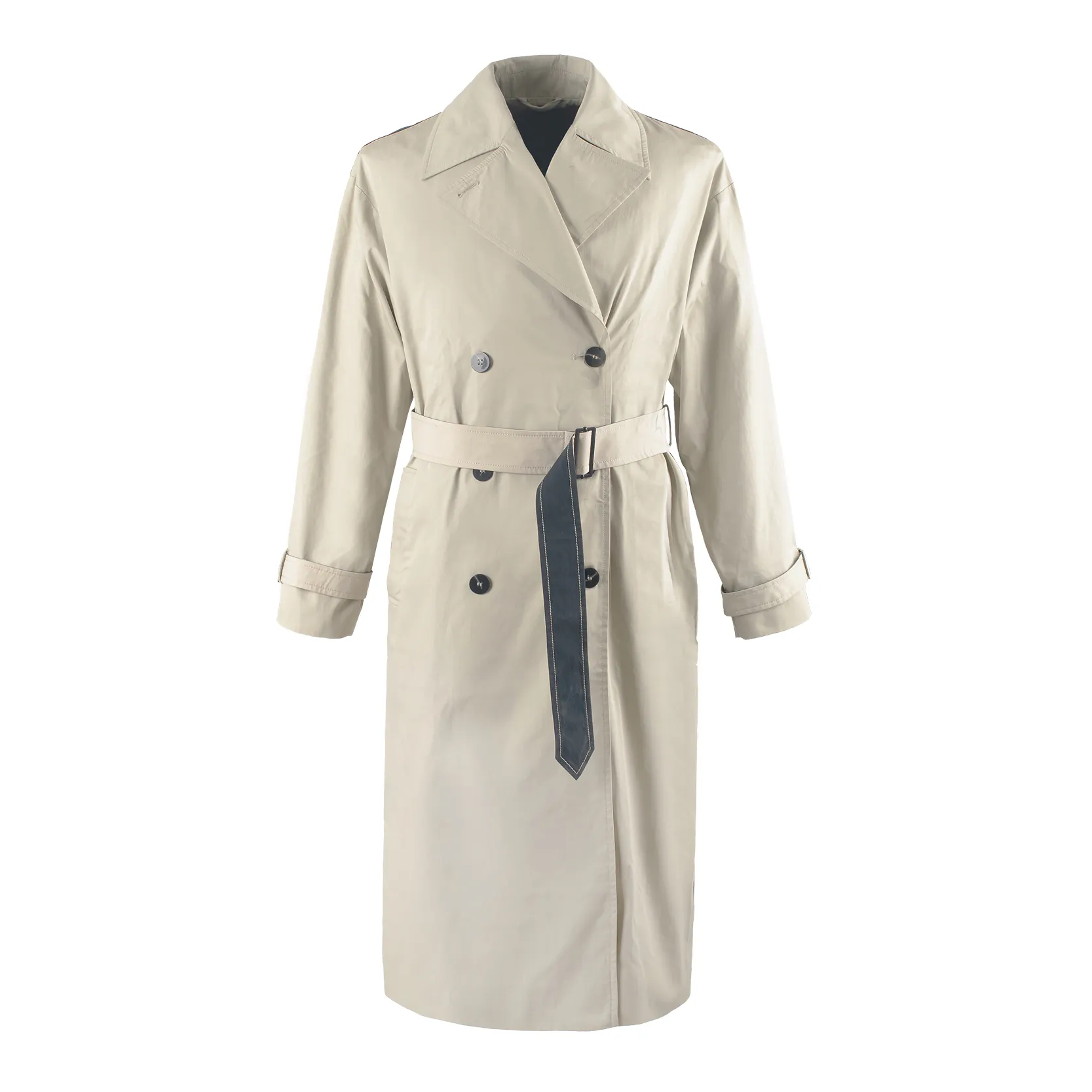
Hi Vis Jackets For Men Machine Washable Easy Maintenance
In the global market of functional workwear and outdoor clothing, JIDE company has emerged as a trus
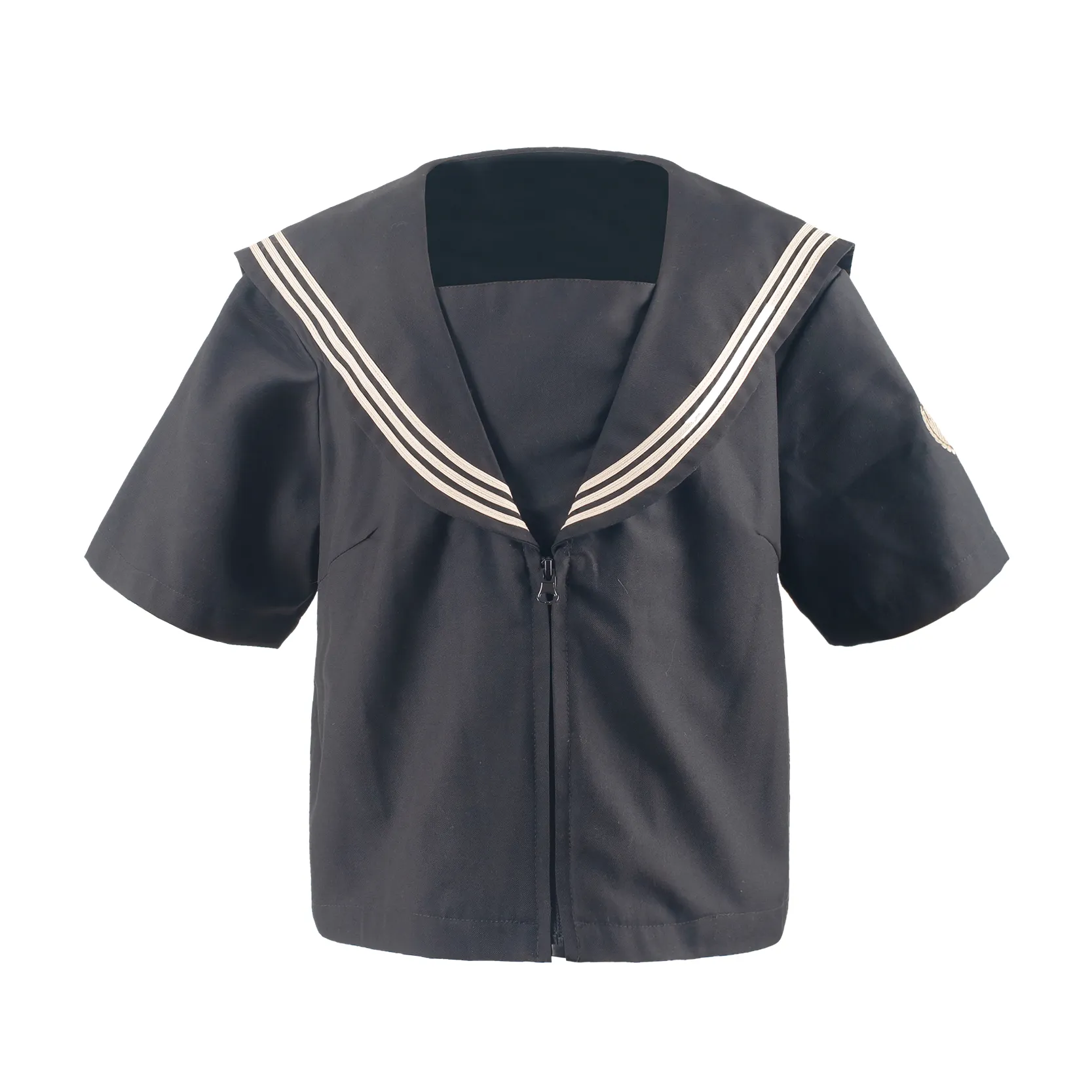
Shop Stylish Wide Leg Printed Pants - Unique Prints & Comfort
Wide Leg Printed Pants is a key solution in the Apparel and Accessories industry, specifically withi
Waterproof Hunting Camo Jackets for All-Weather Protection
Waterproof Hunting Camo Jackets: Trends, Technology & Excellence by JIDE Company The Ultimate Outdoo
Children's Ski Suit_ Warm, Waterproof & Durable for Young Skiers
In the rapidly evolving landscape of children's outdoor apparel, the Children's Ski Suit stands as a
Men&039;s Outdoor Jacket-JIDE_Premium Quality, Windproof Design
The Men's Outdoor Jacket by JIDE Company is a testament to modern engineering and design, combining
images/icon1.png rona@jidecorp.com +8615630198192 Top
wexin
Wechat
tel
email
Top

If you are interested in our products, you can choose to leave your information here, and we will be in touch with you shortly.